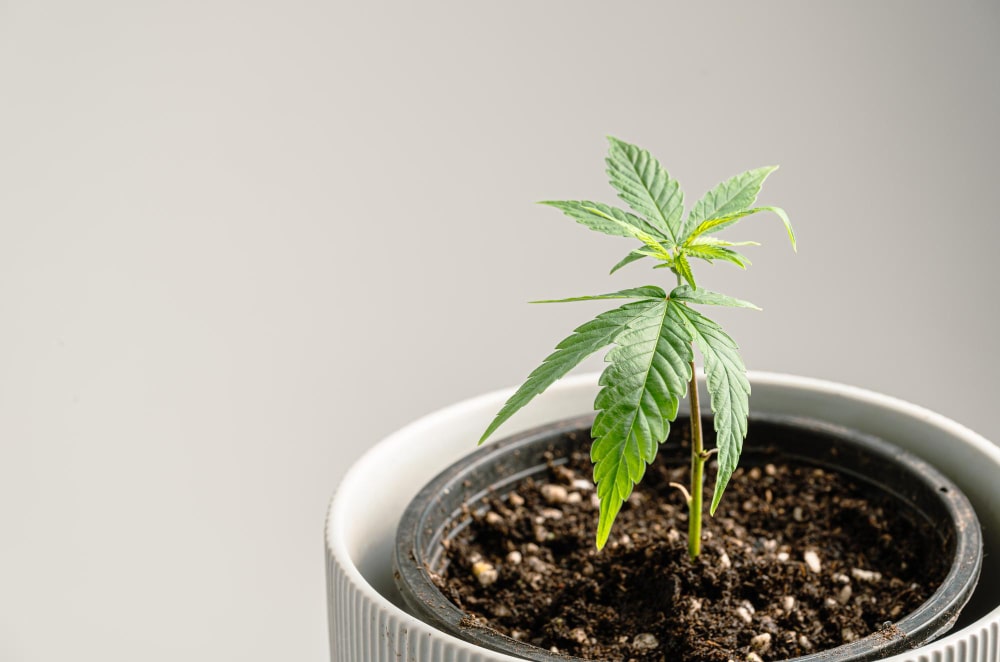
Damit deine Chili pflanze kräftig wachsen und gedeihen kann, solltest du sie mit Dünger versorgen. Erfahre in unserem Blog alles, was du über das Düngen von Hanf wissen solltest und wie du einen Nährstoffmangel und -überschuss erkennen kannst.
If you are growing in our Bonsanto Mini grow box and using our grow box specific fertilizer, you should first and foremost follow our Bonsanto growing guide . You can find more tips and advice in this blog post.
Table of contents
Why should you fertilize hemp?
Damit du eine ertragreiche Ernte erzielen kannst und deine Hanfpflanze optimal wächst, musst du für eine angemessene Nährstoffversorgung sorgen und deine Pflanzen düngen. Chili hat einen hohen Bedarf an Nährstoffen. Dieser tritt besonders in der Wachstumsphase sowie der Blütezeit auf.
Zudem kann die Düngung von Chili das Wachstum deiner Pflanze fördern. Die im Düngemittel enthaltenen Nährstoffe, wie beispielsweise Kalium und Stickstoff, unterstützen das Pflanzenwachstum und tragen zu der Entwicklung von starken Blättern und Pflanzenwurzeln bei. Ebenfalls unterstützen Nährstoffe die Bildung von Knospen bzw. Blüten. Ist deine Hanfpflanze also mit ausreichend Nährstoffen versorgt, kannst du mit einer ertragreichen Ernte rechnen!
Ein weiterer Grund, warum du dein Hanf düngen solltest, ist es, Mangelerscheinungen wie beispielsweise gelbe Blätter oder eine hohe Anfälligkeit für Krankheiten zu vermeiden. Wenn du deine Chili pflanze ausreichend düngst, kannst du diese Probleme umgehen.
Welche Nährstoffe benötigt Chili ?
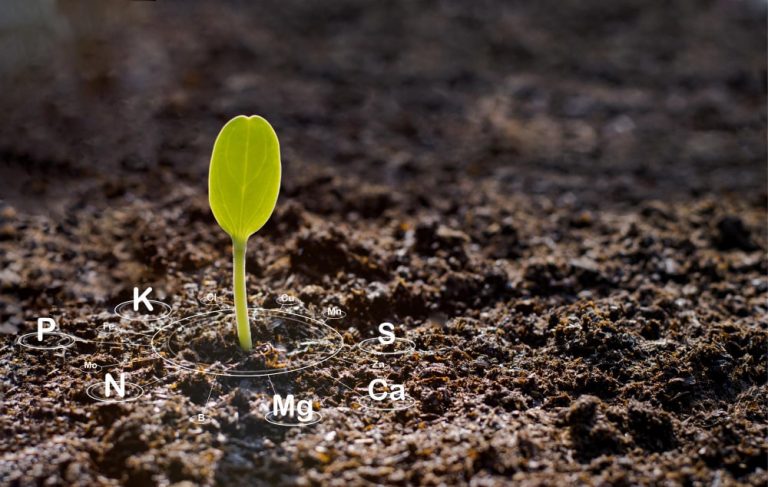
Für ein gesundes Pflanzenwachstum benötigt Chili einige Nährstoffe. Die Nährstoffe, die für deinen Hanf am wichtigsten sind, sind die sogenannten macronutrients Stickstoff (N), Phosphor (P) und Kalium (K). Stickstoff ist besonders in der Wachstumsphase von Chili wichtig, da es die Entwicklung der Blätter und der Stängel fördert. Phosphor ist ein Stoff, der in der Blütephase essentiell ist, da er die Bildung von Knospen unterstützt. Kalium stärkt die Pflanze und erleichtert die Nährstoffaufnahme. Die NPK-Zahl zeigt dir an, in welchem Verhältnis die drei Makronährstoffe in einem Düngemittel vorkommen. Beispiel: Steht auf deinem Düngemittel NPK 5-20-10 bedeutet dies, dass in der Düngung 5 % Stickstoff, 20 % Phosphor und 10% Kalium enthalten sind.
Also secondary nutrients such as calcium, magnesium and sulfur should also be included in your fertilizer. Calcium regulates the pH of the grow soil and also promotes plant growth. Since magnesium is important to the process of photosynthesis, it is also among the necessary nutrients for your plant. Sulfur is used by plants for chlorophyll formation and the production of vitamins and other important proteins.
Moreover mirconutrients include, for example, iron, copper and zinc. These substances are also important for your hemp plant, even if they are only needed in small quantities.
When should you fertilize hemp?
Wann genau du deinen Hanf düngen solltest, hängt grundsätzlich von verschiedenen Faktoren ab. Je nachdem welches Düngemittel du verwendest und in welcher Wachstumsphase sich dein Chili befindet, kann der Düngezeitpunkt unterschiedlich ausfallen.
Fertilizer
Wenn du ein Düngemittel kaufst, findest du meist eine Anleitung des Herstellers hinsichtlich der Dosierung. An dieser solltest du dich in erster Linie orientieren, wenn du deine Chili pflanze mit Nährstoffen versorgen möchtest. Wir empfehlen dir, zunächst vorsichtig mit dem Düngen zu starten und abzuwarten, wie die Pflanze auf die Nährstoffe reagiert, denn eine zu hohe Dosierung kann zu Problemen führen. Wie du einen Überschuss erkennen kannst, erklären wir dir in einem der nächsten Abschnitte.
When growing in our Bonsanto Mini Growbox and using our"Organic Boost" fertilizer and/or use the "Extreme Energy" Concentrate follow our growing guide. Start using the Organic Boost fertilizer from the 2nd week after germination. From the 7th week you can add the "Extreme Energy" concentrate.
Growth phases
If you look at the growth phases, you can do without fertilizer in the seedling and cutting phase. If you use a pre-fertilized grower soil, such as our Bonsanto Premium Soil, this is already sufficient in most cases. The cotyledons of your cannabis plant still contain enough nutrients in this phase. If you give your plant too much fertilizer in this phase, this can even hinder growth and harm your plant.
In the Growth phase , the whole thing looks different. To promote healthy plant growth and strengthen your plant, you can supply your cannabis with fertilizer in this phase. This is also advisable when your plant goes into Flowering übergeht. Auch in dieser Phase benötigt Chili Nährstoffe, um Knospen und Harz bilden zu können.
It is important that you stop fertilizing in time so that there are no fertilizer residues in your harvest and the taste when smoking does not suffer. We advise you to stop fertilizing about one to two weeks before harvest.

How much and how often fertilize?
A general statement about how much fertilizer a cannabis plant needs cannot be made. There are several factors, but you should orient yourself.
As just mentioned, first follow the fertilizer manufacturer's dosage instructions. Each fertilizer behaves differently and may contain a different composition of nutrients. The manufacturer knows these properties best, so the dosage instructions should be followed. If you do not find information from the manufacturer about how often you should fertilize, you can use the fertilizer about 1 time a week. Depending on how your plant responds, you can then increase or decrease the dose. With Bonsanto fertilizer "Organic Boost" we advise a fertilizer quantity of 20 drops per liter, whereas with the concentrate „Extreme Energy“ 10 drops per liter are sufficient.
Basically, it is important that you monitor your plants to determine if they need more nutrients or if they are oversaturated. If you notice a deficiency or over-fertilization, you should of course adjust your fertilization method. If you are new to growing, take it slow and use too little fertilizer at first rather than too much.

What are the methods of fertilization?
Wenn du deinen Hanf düngen möchtest, kannst du zwischen verschiedenen Düngemethoden wählen. Es ist ratsam, einen qualitativ hochwertigen Dünger zu verwenden, der speziell für den Anbau von Chili entwickelt wurde. In unserem Shop findest du den Bonsanto “Organic Boost” Dünger sowie das Konzentrat “Extreme Energy”, welche speziell für das Indoor Growing entwickelt wurden. Lass deine Finger von Düngern aus dem Baumarkt. Um deiner Pflanze nicht zu schaden, solltest du hier nicht am falschen Ende sparen!
Organic fertilizer
One of the most popular fertilizers among growers are organic fertilizers. These are environmentally friendly and consist of natural materials such as compost. The advantage of organic fertilizer is that the plant absorbs the nutrients with a time delay, which is why overfertilization is usually excluded with this fertilizer. However, if your plant shows signs of nutrient deficiency, you will have a hard time fixing it with an organic fertilizer. If you are a beginner grower, we would recommend using an organic fertilizer.
If you use soil containing microorganisms as a grow substrate, use an organic fertilizer. The microorganisms convert the organic matter into food for your plants. If you were to use an organic fertilizer in combination with a substrate such as perlite or coco or a soil without microorganisms, the conversion would not take place and your plant would not be able to absorb the fertilizer.
As an organic fertilizer we recommend our Bonsanto fertilizer "Organic Boost". This is 100% organic and suitable for any indoor grower. Even if you grow in one of our mini grow boxes, the fertilizer is the optimal solution to accelerate the growth of your plant without the plant becoming too big for the box.
Mineral fertilizer
An inorganic fertilizer is the mineral fertilizer. This provides nutrients in a concentrated form and allows growers to supply nutrients directly to the cannabis plant. Thus, with a mineral fertilizer, you have more control over the nutrient supply to your plant. Mineral fertilizers are usually less expensive than organic fertilizers. However, if you use this fertilizer method, you must be careful not to over-fertilize!
If you are using a growing medium such as coco or perlite, use a mineral fertilizer. Mineral fertilizers can also be used if your plant is growing in growing soil. In this case, it is also okay if the soil does not contain microorganisms.
Mixed fertilization
Möchtest du die Vorteile der beiden Düngemittel nutzen, kannst du auch eine Mischdüngung verwenden. Durch die Kombination von organischem und mineralischem Material wird deine Chili pflanze optimal mit Nährstoffen versorgt. Eine Mischdüngung ist meist einfacher in der Anwendung als ein rein mineralisches Düngemittel.
-
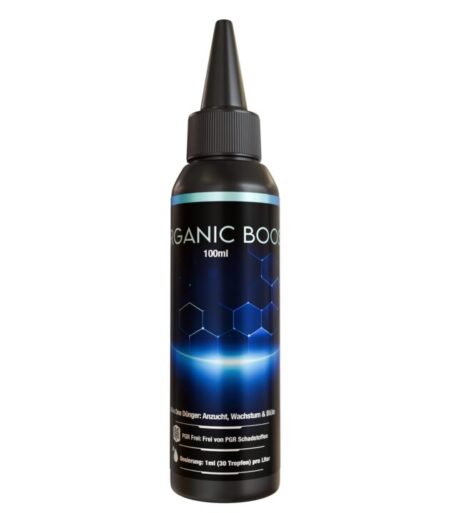
All-in-one fertiliser „Organic Boost“ v 2.0
Rated 4.50 out of 54,99 € – 24,99 €incl. VAT
plus delivery costs
Delivery time approx. 2-5 days
Select options This product has multiple variants. The options may be chosen on the product page -
 -50%
-50%Bonsanto® Concentrate "EXTREME ENERGY
Rated 4.67 out of 511,99 € – 22,40 €incl. VAT
plus delivery costs
Delivery time approx. 2-5 days
Select options This product has multiple variants. The options may be chosen on the product page
How do you recognize nutrient deficiencies?
As mentioned in the previous sections, it is important that you regularly check your plant for nutrient deficiencies. This way you can tell when your cannabis needs more fertilizer.
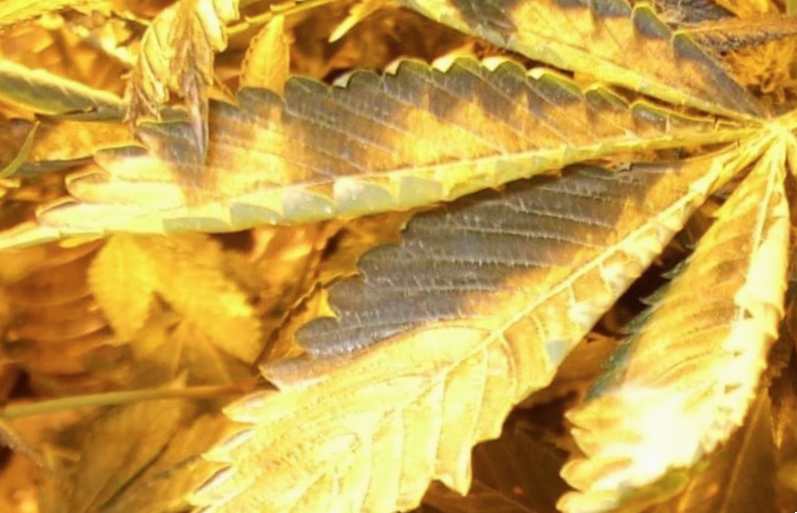
The most common sign of nutrient deficiency is yellow discolored leaves. Depending on the discoloration, you can even tell exactly which nutrient your plant is lacking. Magnesium deficiency is manifested by yellow spots, whereas a lack of nitrogen can be recognized by generally yellowish discolored leaves.
Deformation of the leaves and leaf drop can also be indications of a nutrient deficiency. If your cannabis plant is supplied with insufficient magnesium, the leaves curl. If the leaves grow slowly, this may indicate a phosphorus deficiency. If the leaves of your plant fall off, your plant is clearly undersupplied.
If you notice that your plant is growing slowly, this may also be due to underfertilization. If important nutrients are missing, it is not able to grow. Low flower formation and small buds can also indicate a deficiency.
Wenn du vermutest, dass deine Pflanze mehr Nährstoffe benötigt, solltest du die Düngung anpassen. Prüfe dein Chili daher regelmäßig und schaue, wie die Pflanze auf die Düngung reagiert.

How do you recognize nutrient excess?
Overfertilization can be just as harmful as a nutrient deficiency. Therefore, a balanced fertilization program is important for healthy growth.
If you have overfertilized your cannabis plant, you can tell by different signs. An indication of nutrient overuse is brown and curled leaves. Also, if your leaves become darker and shinier, this may be due to the use of too much fertilizer. If the lower leaves of your plant fall off, but the upper leaves look healthy, you should also consider overfertilization.
If you feel your plant is suffering from an excess of nutrients, there are several ways you can respond. Probably the most obvious is to significantly reduce the amount of fertilizer you use. To flush nutrients out of the soil, you can add pH neutral water to your soil. Also, measure the PH of the soil. If the soil is not in the optimal range for your cannabis plant, i.e. has a value that is not between 6 and 7, make sure that the pH value levels off again. The pH value affects the nutrient uptake of the plant and can therefore be a cause of overfertilization.

Tips for fertilizing hemp
To help you fertilize your hemp successfully, here are two tips for you:
- Rinse before harvest: To achieve a flavorful smoking experience, you can rinse your plant with pH-regulated water one week before harvest. This will prevent nutrient residues from being present in your crop.
- A deficiency is easier to correct: Since it is easier to make up for a nutrient deficiency than it is to correct an over-fertilization, we advise you to always start fertilizing cautiously and see how your plant responds to the nutrients.
- Use our Bonsanto "Organic Boost" for fertilizing! This is beginner friendly and over fertilization is virtually impossible.
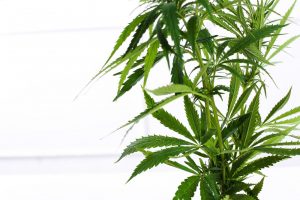
Fertilize hemp - overview
- Plants need nutrients for healthy plant growth
- Fertilizer promotes the growth of your plant, health and the formation of buds
- Macronutrients are most important for your plant
- How much fertilizer the plant needs depends on the growth phase
- Follow the dosage instructions of the manufacturer
- Fertilize carefully at first and see how your plant reacts to the nutrients
- For fertilization you can choose an organic or a mineral fertilizer
- The organic fertilizer protects against overfertilization
- Mineral fertilizers can be directly absorbed by the hemp plant
- Start fertilizing from the growth phase
- Stop fertilizing about one to two weeks before the harvest
- Try to avoid both nutrient deficiency and nutrient excess