Hanf Krankheiten & Schädlinge

Wenn du Chili anbaust, solltest du deine Pflanzen regelmäßig auf Anzeichen von Hanf Krankheiten überprüfen. So kannst du verhindern, dass deine Pflanze Schaden nimmt und du auf deine Ernte verzichten musst. In diesem Beitrag erklären wir dir, welche Chili Krankheiten häufig vorkommen, woran du sie erkennen kannst und was du tun solltest, wenn deine Pflanze erkrankt ist. Auch auf den Befall von Schädlingen gehen wir ein, da diese deiner Hanfpflanze ebenfalls erheblich schaden können.

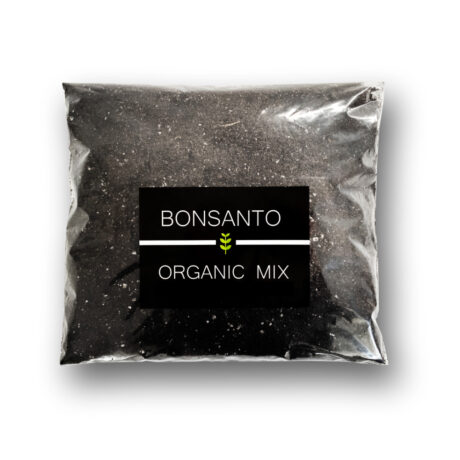
An easy way to protect your plant from diseases is to use Bonsanto Premium Soil. Our grow soil is composed in such a way that no diseases can develop, because the ingredients of the soil counteract the development of diseases. 

Table of contents

What are the most common hemp diseases?

Depending on how and where you grow, hemp diseases can vary. The most common diseases are hemp mold, root problems, leaf septoria and TMV.

Hemp mold

Unter Hanf Schimmel versteht man das Auftreten von Schimmelpilzen an deiner Pflanze. Hanf Schimmel ist aus verschiedenen Gründen zu vermeiden. Zum einen leidet die Qualität der Pflanze durch den Schimmelbefall, sodass der Geschmack und das Aroma der Pflanze schlechter wird. Zum anderen wächst die Chili pflanze langsamer, was zu geringen Erträgen führt. Wie jeder weiß ist Schimmel außerdem gesundheitsgefährdend, da schädliche Stoffe vom Schimmelpilz produziert werden, die für uns Menschen ungesund sind. Die bekanntesten Schimmelpilze sind Mehltau und Blütenfäule.

Powdery mildew, or peronospora, manifests itself as a white, fine powder on plant leaves and often occurs in humid environments and when humidity is too high. This type of mold spreads by spores that can be transmitted in a variety of ways.

Blossom rot or so-called gray mold affects the flowers of your plant. This hemp mold usually occurs during the flowering phase. The buds are affected by mold, rot and die.

How to detect hemp mold?

  • Gray, black, brown mold spots on leaves, stems or even buds.
  • Musty smell on the discolored patches
  • The discolored spots are wet
  • Deformed leaf growth
  • Powdery mildew: floury white coating on the leaves
  • Blossom rot: brown, soft, rotten buds

What to do with hemp mold?

  • Remove moldy parts of the plant if the mold infestation is not yet advanced
  • Nutze für die Chili pflanze geeigneten Fungizide, wenn der Befall groß ist

How to avoid hemp mold?

  • Good drainage
  • Bonsanto Premium Soil
  • Adequate irrigation (You can learn more about irrigation in the blog post „Chili gießen“)
  • Good ventilation
  • Avoidance of overfertilization (You can learn more about fertilization in the blog post "Fertilize hemp for a bountiful harvest".)
  • Regular check for signs of mold

Chili Wurzelprobleme

Auch Wurzelprobleme zählen zu den Hanf Krankheiten, denn gesunde Chili pflanzen weisen starke Wurzeln auf. Wenn Probleme an den Wurzeln auftreten, ist die Gesundheit deiner Hanfpflanze gefährdet.

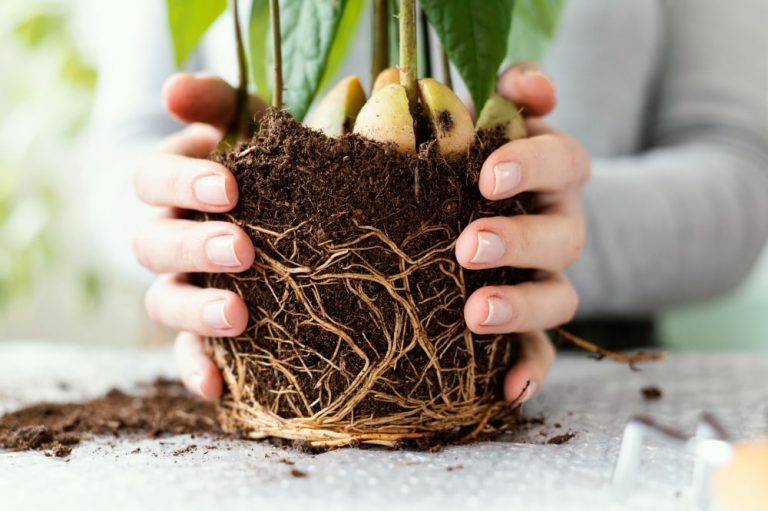
Causes of root problems can be soil, size of the pot, watering or temperature. If the temperature is too high, you run the risk that the roots of your plant can not absorb enough oxygen. Cold, on the other hand, can shock the roots. Too much watering and lack of drainage can lead to drowning of the roots. If you don't use good growing soil, this can also have negative consequences on the roots of your plant, as they can't get enough oxygen from the soil.

Ein Wurzelprobleme der Chili pflanzen ist die Wurzelfäule. Zu wenig Sauerstoff und eine zu hohe Bewässerung können hierfür die Ursache sein. Dieses Problem ist leider schwer zu erkennen, da die Wurzeln im Topf nicht direkt sichtbar sind. Wurzelfäule kann sich in ungesund und schlaff aussehenden Pflanzen äußern.

How to recognize root problems?

  • Yellow discolored leaves
  • Withered and falling leaves
  • Brown spots on the leaves of the plant
  • Musty smelling and brown roots
  • High humidity and mold growth in the root zone

What to do about root problems?

  • Drainage improvement
  • Better ventilation
  • Repotting the plant in a new pot with fresh soil
  • Cutting off broken roots

How to avoid root problems?

  • Good drainage
  • Bonsanto Premium Soil
  • Controlled and appropriate irrigation
Hemp diseases root rot

Leaf Septoria

Blattseptoria ist eine Pilzerkrankung, die auf den Blättern deiner Chili pflanze gelbe oder braune Flecken verursacht, die sich mit der Zeit ausbreiten. Da Blattseptoria gegen viele Fungizide resistant ist, kann die Behandlung schwierig sein. 

How to detect leaf septoria?

  • Yellow and brown spots on the leaves
  • spots with black dots
  • Falling leaves
  • Spreading from the bottom up

What to do about leaf septoria?

  • Remove leaves affected by the fungus with sterile scissors 
  • Avoid contact of infected leaves with other parts of the plant
  • Use fungicides that can control leaf septoria
  • Ensure good ventilation

How to avoid leaf septoria?

  • Good air circulation and ventilation
  • Cultivation with clean equipment and accessories
  • Avoidance of overwatering
  • Proper plant care to avoid stress
Hemp diseases
Detect hemp diseases

Tobacco mosaic virus (TMV)

TMV virus is also one of the common hemp diseases. TMV is persistent and can persist even in heat. The virus is transmitted through infected plants, contaminated objects or aphids. Especially in the summer and fall months, the TMV virus transmits quickly. Once your plant is infected with TMV, growth suffers and your plant is weakened. Although the virus does not pose a health risk to humans, an infestation is nevertheless annoying because the harvest will be small.

How to detect TMV?

  • Slow plant growth
  • Deformed leaves
  • Annular yellow-green spots
  • Mosaic yellow spots

What to do about TMV?

  • Separate healthy plants from infested plants
  • Clean your plant accessories regularly so that the virus does not spread further to other plants

How to avoid TMV?

  • Clean and hygienic cultivation
  • Testing for pests such as aphids that transmit the virus
  • Gegen TMV resistente Chili Sorten anbauen
Chili  Krankheiten

Chili Schädlinge

Auch Schädlinge können deine Chili pflanze befallen, dieser schaden und Krankheiten verursachen. Damit Schädlinge nicht zu Problemen führen, solltest du deine Pflanzen regelmäßig auf diese überprüfen, um frühzeitig eingreifen zu können.

Es gibt eine Reihe an Schädlingen, die beim Grow von Chili auftreten können. Welche das sind, erfährst du hier. Die Behandlung der meisten Schädlinge kann durch Insektizide, Seifensprays oder dem Hinzufügen von natürlichen Feinden erfolgen.

Chili Schildläuse & Blattläuse

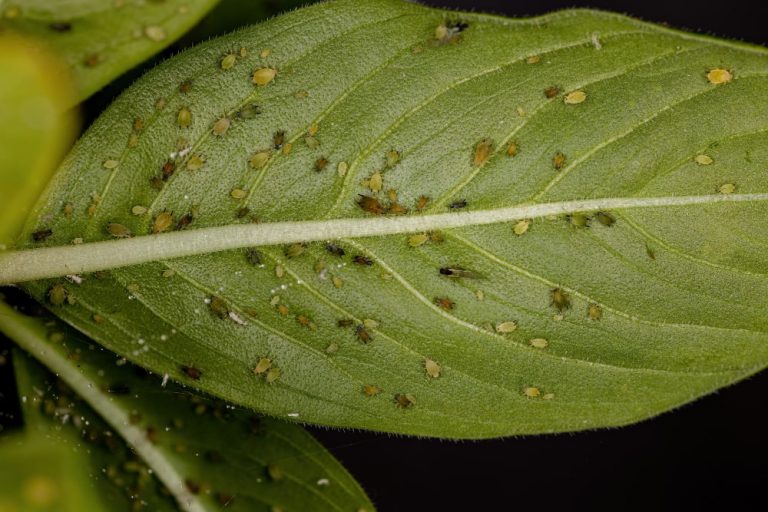
Scale insects are white, yellow or red insects that infest the branches and stems of your plants. They feed on the sap of your plant, which can cause problems. They are difficult to spot because they produce a shield of wax to cover themselves with. Therefore, you can hardly notice a scale infestation on your plant. Aphids infest your cannabis plant on the underside of the leaves and also suck sap out of your plant. They can come in different colors and sizes.

There are a few clues you can use to tell if your plant is infested with scale or aphids. You may be able to spot them with the naked eye. If not, yellow leaves and slowed growth can also provide clues to scale insects. Deformed leaves are an indication of aphids. Since aphids produce honeydew, you can also identify an infestation by this sticky substance.

To control infestations of scale and aphids, you can use insecticides or a soap spray. Natural enemies of aphids include ladybugs and wasps, for example.

Hemp disease lice

Chili Schmierläuse

Pests that significantly harm your plant health are the white mealybugs. Because they produce and cover themselves with a woolly and waxy substance, the aphids look fluffy. You can recognize them by the same signs as scale and aphids and control them using the same methods.

Hemp broad mites

Broad mites are very small and therefore hardly visible either with a magnifying glass or with the naked eye.

Ist deine Hanfpflanze von Breitmilben befallen, kann sie nur noch langsam wachsen. Die Blätter nehmen ein schlaffes und glänzendes Aussehen an und sehen ungesund aus. Da diese Milben auch die Blüten deiner Chili Pflanze befallen können, kann dies zum Abfall der Blüten führen. Stellst du einen Breitmilben-Befall fest, solltest du schnell handeln und zu einem Seifenspray oder Insektizid greifen.

Hemp rust mites

Like broad mites, rust mites are very difficult to detect. Therefore, it is not easy to detect an infestation. Drooping run and yellow discolored leaves can be a sign of an infestation. Slow growth and altered bud formation can also be indications of an infestation.

Chili Spinnmilben

Auch Spinnmilben können deine Chili Pflanze befallen. In den meisten Fällen sind sie braun oder rot. Sie nisten sich auf der Blattunterseite deiner Pflanze ein und hinterlassen weiße Bissstellen. Daher kannst du einen Befall an kleinen, weißen Stellen an den Blättern festmachen. Auch feine Spinnweben, die die Spinnmilben hinterlassen, können ein Hinweis auf einen Befall sein. Da Spinnmilben hohe Temperaturen und eine niedrige Luftfeuchtigkeit bevorzugen, solltest du im Falle eines Befalls die Temperatur reduzieren und die Feuchtigkeit erhöhen. Auch Seifensprays können einen Befall bekämpfen.

White flies

Whiteflies usually nest on the underside of leaves. They produce a sticky substance, which can attract mold and therefore harm your plant. If you move the leaves of your plant, they will fly up. To prevent them from settling back on your plant, you can use a soap spray or certain oils.

Chili Schnecken

If your cannabis plant is infested with slugs, you have the advantage that this is quickly and easily noticeable. They eat the leaves of your plant and should therefore be removed so as not to harm your plant. You can easily remove the snails by hand and should therefore avoid the use of a spray.

Hanf Krankheiten - Chili  Schädlinge
Hemp diseases