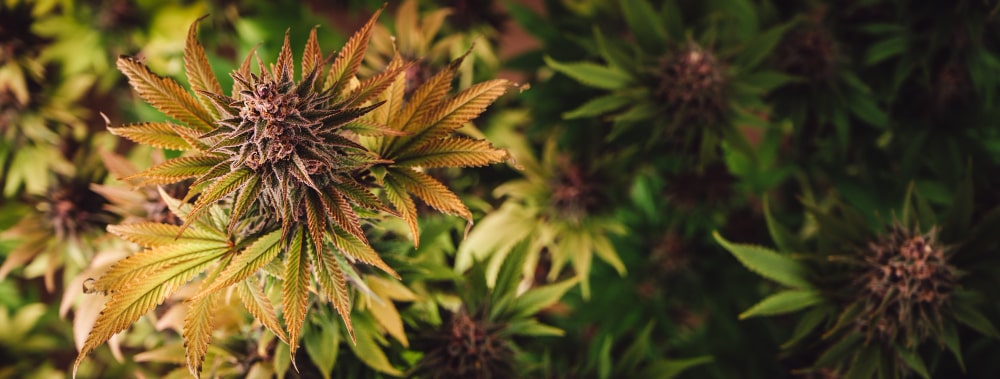
Für die meisten Grower ist die Blüte der spannendste Zeitpunkt des Grows! Die ganze Arbeit des Hanfanbaus wird endlich sichtbar und zeigt sich in harzigen Knospen. Trotzdem ist die Blüte eine Phase im Lebenszyklus deiner Chili -Pflanze, die besondere Aufmerksamkeit erfordert. Die Blütephase Hanf zeichnet nicht nur den Übergang deiner Pflanze vom vegetativen Stadium hin zur Produktion der Buds aus, sondern ist auch entscheidend für eine ertragreiche Ernte.
In this blog post, we will explain to you what exactly the flowering phase hemp is and how to recognize that hemp is in flower. We will also look at the special care requirements of hemp plants during this phase and give you valuable tips for flowering.
If you own a Bonsanto Growbox we recommend that you follow our Bonsanto growing instructions. There you will learn how to grow in our grow boxes. Since all Bonsanto Grow components are perfectly coordinated with each other and thus provide you with an ideal growing environment for your cannabis, you can completely dispense with the use of measuring devices for Bonsanto Grow!
Table of contents
What is the flowering phase?
The flowering phase of hemp refers to the period in the growth cycle of the hemp plant when the plant forms flowers. The phase follows the vegetative growth phase and takes place before harvest. Flowering is a crucial phase for growers, as the highest concentrations of therapeutically active substances, such as cannabinoids, tetrahydrocannabinol (THC) and cannabidiol (CBD), are found in the emerging flowers.
Anstatt sich auf die Bildung von Blättern und Stielen zu konzentrieren, steckt Chili in der Blütephase die Energie in die Produktion von Blüten. Neben der Produktion von Blüten findet auch die Bildung von harzigen Trichomdrüsen statt. Die Blütephase Hanf beginnt in der Regel, wenn die Tageslichtstunden reduziert werden (etwa auf 12 Stunden Licht und 12 Stunden Dunkelheit).
Du solltest wissen, dass man bei Chili zwischen weiblichen und männlichen Hanfpflanzen unterscheidet und nur die weiblichen Pflanzen die so genannten Buds produzieren.
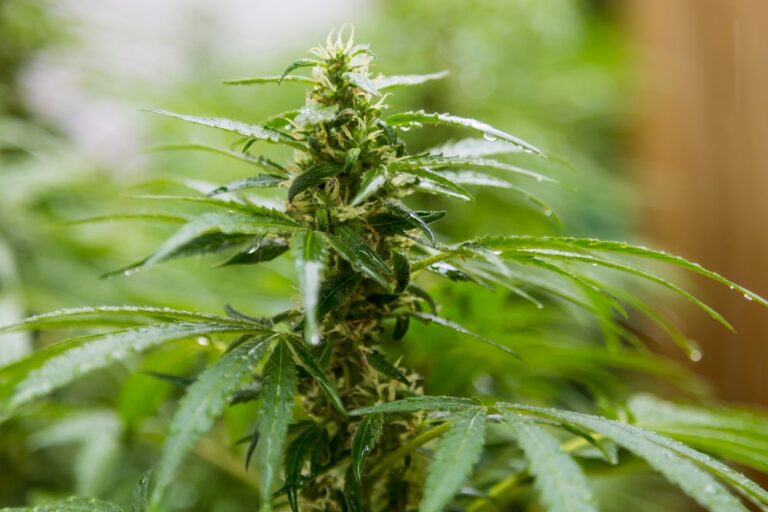
When does the flowering phase hemp?
Wann die Blütephase deiner Chili pflanze beginnt, hängt davon ab, ob du Indoor oder im Freien anbaust. Outdoor geht Hanf in die Blüte über, wenn die Tage kürzer werden, wie beispielsweise im Herbst. Beim Indoor Grow kannst du deine Pflanze gezielt in die Blüte schicken, indem du wie bereits erwähnt die Belichtung von circa 18 Stunden auf 12 Stunden Licht am Tag reduzierst. Eine Ausnahme sind Autoflowers. Diese Hanfpflanzen gehen von selbst in die Blüte über ganz unabhängig von den Tageslichtstunden.
How to recognize the flowering phase of hemp?
You can recognize the flowering phase of hemp by different signs. The first sign of the beginning of the flowering phase are the so-called pre-blooms. These small, hairy structures appear at the nodes of the plant where the main styles meet branches. In female plants, these preblooms look like tiny, hairy buds, often with one or two white hairs called pistils. In male plants, they are more spherical and contain no hairs.
A clear sign of the flowering phase are the pistils, which are white or cream colored and protrude from the preliminary flowers. These pistils are part of the female reproductive organ and capture the pollen of the male plants. During the flowering phase, they can change color from white to brown or red.
Nach der Entwicklung der Stempel beginnt die eigentliche Blütenbildung deiner Pflanzen. Die Vorblüten werden größer und dichter und beginnen sich zu Chili blüten oder „Buds“ zu formieren. Diese sind oft klebrig und aromatisch aufgrund des Harzes, das Cannabinoide und Terpene enthält.
In addition, the vertical growth of your plant slows down considerably during flowering, as energy is concentrated on flower formation.
How long is the flowering phase of hemp?
The duration of the flowering phase may vary depending on the variety and environmental conditions. However, in general, the flowering phase lasts between 5 and 10 weeks.
You should note that indica-dominant cannabis strains tend to have a shorter flowering time, while sativa-dominant strains are in flower for longer. As mentioned earlier, environmental factors also play a role. Hemp plants that you grow in ideal conditions will flower faster, while factors such as poor lighting, temperature fluctuations, nutrient deficiencies, or disease can extend the flowering time.
When the flowering phase of your cannabis plant is over and you should start harvesting, you can determine by the color of the trichomes and resin glands on the flowers.

When ends the flowering phase hemp?
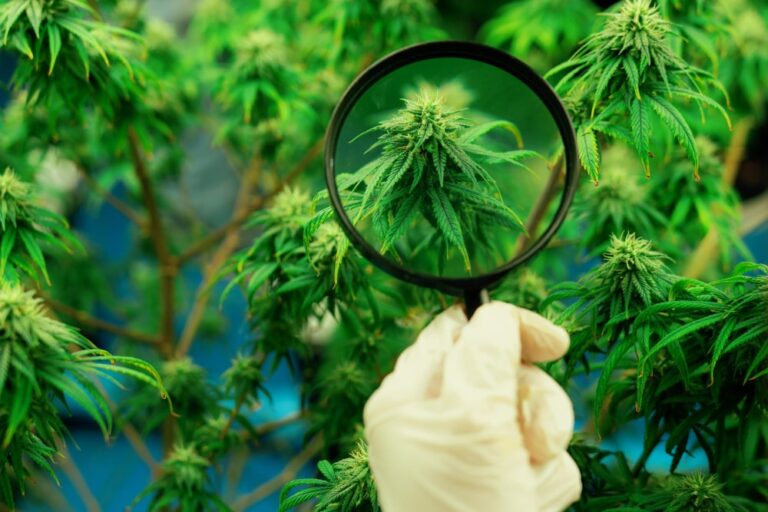
Die Blütephase deines Chili endet dann, wenn deine Pflanze reif zur Ernte ist. Die Harzdrüsen oder Trichome deiner Pflanze sind der Indikator dafür, wann die Ernte erfolgen kann. Nutze eine Lupe, um zu kontrollieren, ob die Trichome bereits eine milchige und bernsteinfarbene Erscheinung angenommen haben – denn das ist das Signal zur Ernte! Wenn etwa 80% der Trichome die Bernsteinfarbe aufweisen, kannst du mit der Ernte beginnen. Auch die weißen Härchen (Stempel) auf den Knospen zeigen den Erntezeitpunkt durch Bräunung und Zurückziehen an. Die Ernte sollte beginnen, sobald etwa 40-75% der Stempel eine bräunliche Farbe angenommen haben.
More on the subject of harvesting, you will learn in our article "Harvest hemp - instructions & tips“.
The proper care of hemp in the flowering phase
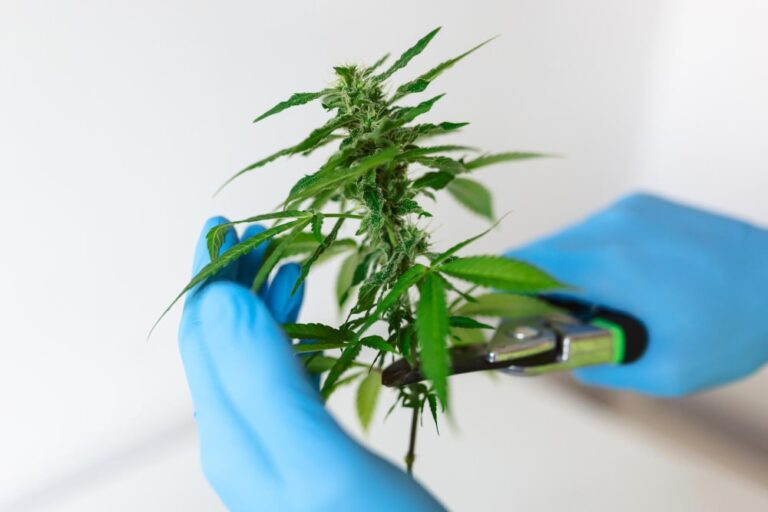
Wie die optimale Grow-Umgebung deiner Chili -Pflanze in der Blütephase aussehen sollte, erfährst du im Folgenden. Wir möchten dich nochmal daran erinnern, dass, wenn du in einer Bonsanto Growbox anbaust, die Bonsanto „growing guide" is relevant for you. There you will learn everything you need to know for a successful grow in a Bonsanto grow box.
How much nutrients does hemp need in the flowering phase?
In the flowering phase, the nutrient and water requirements of your cannabis plant change compared to the previous growing or vegetative phase. During this time, your plant focuses on producing flowers, which requires a change in nutrient composition.
In general, the cannabis plant requires less nitrogen (N) during the flowering phase. Phosphorus (P) and potassium (K) are the substances your plant will benefit from the most during flowering. A commonly recommended NPK (nitrogen, phosphorus, potassium) ratio for the flowering phase is 1:3:2, although this can vary depending on the variety and specific nutrient program. We recommend that you primarily follow the fertilizer manufacturer's dosage instructions. Be careful not to overfeed your plant during flowering to avoid nutrient burn and stop fertilizing when your plant is nearing harvest.
How much water does hemp need in the flowering phase?
The water intake of a cannabis plant may increase during the flowering phase, as the plant grows and its leaves and flowers require more moisture. However, the exact amount of water a plant needs depends on many factors, such as the size of the plant, environmental conditions, and the type of grow medium the plant is growing in.
A good rule of thumb is to water the plants thoroughly and then wait until the top inch of soil is dry before watering again. Overwatering can lead to problems such as root rot and should be avoided at all costs.
What is the ideal humidity in the flowering phase?
Since too high humidity can lead to mold and fungus, you should pay attention to the right humidity in your grow room and of course during flowering. The optimal humidity for cannabis plants during the flowering phase is between 40-50%. Some growers even lower the humidity to around 30-40% in the last weeks before harvest to reduce the risk of mold and fungus.
Especially during the flowering phase, it is important to avoid too high humidity, because the plants become bushier than in the previous phases, and therefore mold and other diseases can spread more quickly.
How lighting in the flowering phase?
In the flowering phase, growers usually use an exposure of 12 hours of light and 12 hours of darkness per day. This 12/12 light cycle mimics the natural conditions of autumn when the days get shorter. This change signals to the cannabis plant that it is time to start flower production.
Für die Blütephase sowie den gesamten Indoor-Grow-Prozess empfehlen wir die Nutzung einer LED-Growlampe. LEDs weisen die höchste Energieeffizienz und längste Lebensdauer im Vergleich zu anderen Lampen auf und geben weniger Wärme ab, was dein Chili vor Verbrennungen schützt.
Während Chili in der Wachstumsphase ein Licht mit einem höheren Blauanteil bevorzugt, braucht es in der Blütephase einen höheren Rotanteil. Um nervige Lampenwechsel zu vermeiden, ist es ratsam, eine Full-Spectrum Pflanzenlampe zu nutzen, die du für alle Phasen deiner Pflanze nutzen kannst. Wenn du auf der Suche nach einer LED-Full-Spectrum-Pflanzenlampe bist, schaue dir doch mal unsere Bonsanto Growlampen an.
You need a full-spectrum lamp?
Then discover our Bonsanto LED lamps now.
-
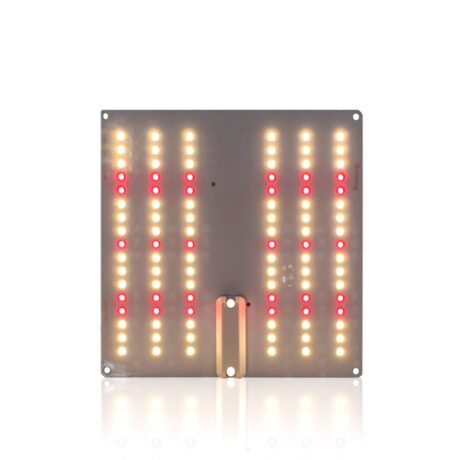
Bonsanto® 35W LED Plant Lamp
Rated 4.67 out of 5149,00 €incl. 19% VAT
plus delivery costs
Delivery time approx. 2-5 days
-
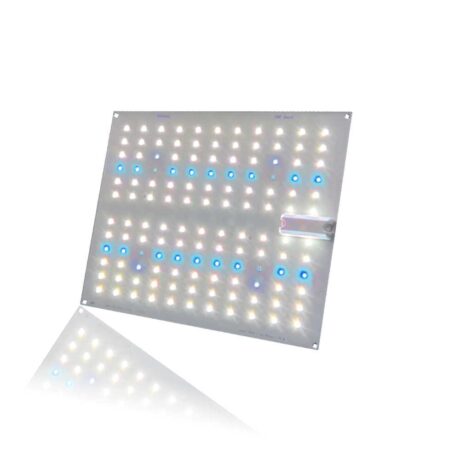
Bonsanto® 70W LED Plant Lamp
Rated 4.80 out of 5229,00 €incl. 19% VAT
plus delivery costs
Delivery time approx. 2-5 days
Flowering phase hemp - Tips
- Send your cannabis plant into flowering by changing the lighting cycle (12 h light/12 h dark)
- Use a full-spectrum LED lamp for the entire grow, which will provide your plant with reddish light when in bloom
- Ensure that the humidity in your grow box is around 40-50%.
- Fertilize your plant carefully during flowering and follow the fertilizer manufacturer's dosage instructions
- Do not give your plant any more nutrients in the last weeks before harvesting
- Use a Bonsanto Growbox to simplify your plant's grow and properly care for your plant in bloom